
Mexico: The Country Where Thousands of Families Search for Their Disappeared Loved Ones
Imagine that one day, someone you love; your brother, your daughter, your father, your boyfriend, your friend; leaves home and never returns. No calls, no clues, just silence. Days, months, and years pass, and the authorities tell you to “just wait.” It sounds like the first episode of a Netflix crime series.


But it isn’t. This is the reality for over 130,000 families in Mexico, where the disappearance of people has become an unprecedented crisis.
Since 2006, Mexico has been experiencing an epidemic of disappearances. These are not isolated cases; they are thousands of stories of pain, connected by impunity, violence, and a lack of justice. Why is this happening? To understand, we must look back at political decisions that changed the country forever.
2006: The Year of the "War" That Filled Mexico with Fear
In 2006, the Mexican government declared a “war on drugs.” The idea was to use the military and police to combat criminal groups. But instead of bringing peace, this strategy unleashed an unprecedented wave of violence.
Between 2006 and 2026, over 100,000 people have disappeared in Mexico. How is this possible?
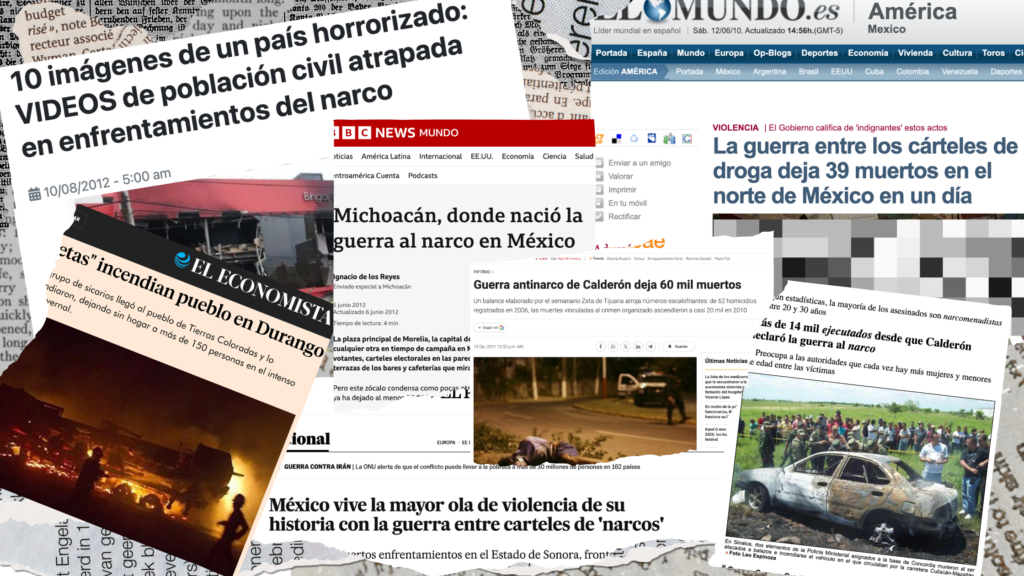
Uncontrolled Violence
Criminal groups and security forces began using disappearance as a weapon to spread terror and eliminate rivals.
State Collusion
Disappearances have not been exclusive to criminal groups; authorities have also participated, either directly or through support, tolerance, or acquiescence.
Widespread Impunity
The expansion of this phenomenon has been fueled by almost absolute impunity. Prosecutors’ offices have been unable or unwilling to respond to the emergency.
Abandoned Families
Mothers, fathers, and siblings had to become detectives, archaeologists, and activists to search for their loved ones. Collectives of searching mothers were born and began digging up the earth, replacing the state’s responsibility.
The Disappearance of Migrants: From the American Dream to the Mexican Nightmare

Mexico is a country of origin, transit, and destination for migration. It is a mandatory stop for the thousands of migrants who each year seek to reach the United States, fleeing poverty, violence, or the ravages of climate change. But this journey has become one of the most dangerous in the world. According to the International Organization for Migration, between 2014 and 2025, nearly 5,000 migrants disappeared or died in Mexican territory.

What happens to them?
 Kidnapping and Human Trafficking: The kidnapping and trafficking of migrants have become a highly profitable industry for criminal groups, often with the participation or acquiescence of authorities.(Source: Special reports from the CNDH)
Extortion and Abuse: During their journey, most migrants fall victim to extortion and abuse. Many are robbed, beaten, or even killed.
Dangerous Routes and Conditions: Every year, migrant men, women, and children are transported in trailers under high-risk conditions. Many have died in these circumstances.
Death in Rivers and Deserts: Thousands of migrants have perished attempting to cross the border through rivers or deserts.
Disappearance: There have been documented cases of migrants who are victims of forced disappearance during their transit, detention, or deportation, with reports of arbitrary detentions, incommunicado detention, and lack of access to transparent records in migration stations.
Unmarked Graves: In places like San Fernando, Tamaulipas, mass graves containing hundreds of migrants’ bodies have been found. Many are never identified.
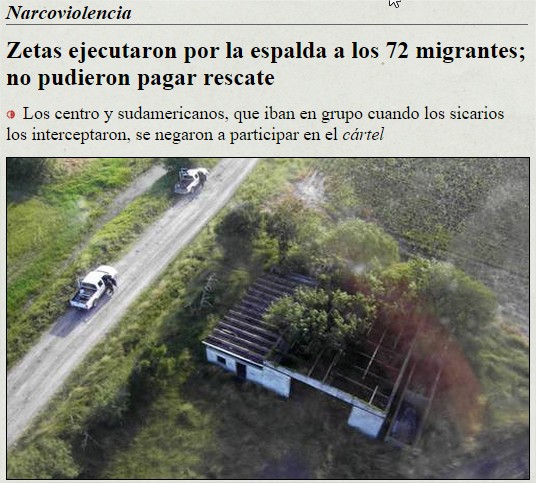
Clandestine Graves: The Horror Beneath Our Feet
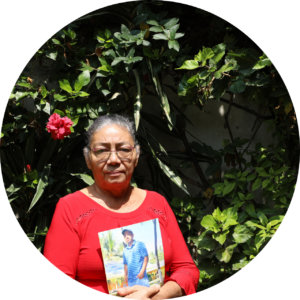
Doña Bertila is the mother of Carlos Alberto, a Salvadoran migrant found in the Clandestine Mass Graves of San Fernando.
In Mexico, the earth holds macabre secrets.
Beneath fields, roads, or even house yards, there are thousands of clandestine graves; pits where perpetrators bury their victims to hide their crimes.

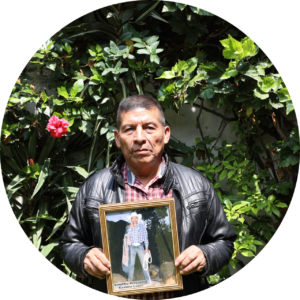
Don Baudilio is the father of Baudilio Alexander, a Guatemalan migrant found in the Clandestine Mass Graves of San Fernando.
Shocking Data:
Between 2006 and 2024, 3,516 graves have been found containing 8,341 bodies and over 52,000 human remains.
 In Jalisco, a state where 4 World Cup matches will be played, 1,956 people buried in clandestine graves have been found (between 2018 and 2025). Near the Akron Stadium, more than 450 bags with human remains have been discovered.
Who Searches for the Disappeared?
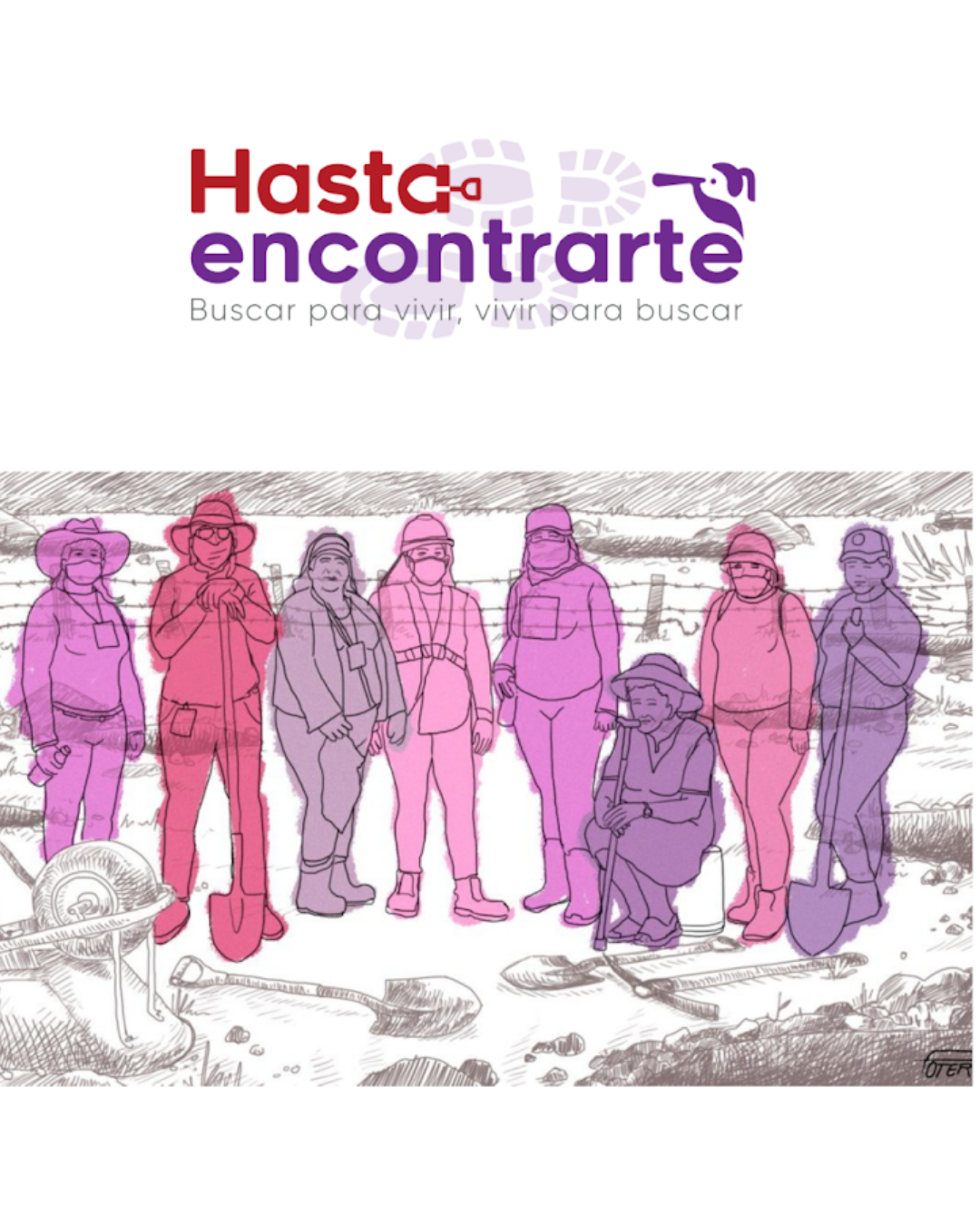
It’s not the police or prosecutors. It’s mothers, wives, sisters, known as “searching mothers.” With metal rods, shovels, and immense courage, they dig the earth looking for their loved ones. Often, they find what the authorities “don’t see,” and sometimes they are even killed for their search efforts.
According to Amnesty International, 30 relatives and acquaintances of disappeared persons have been murdered in Mexico between February 2011 and May 2025, 16 of whom were women.
Faces of Disappearance: Stories of Struggle and Hope



Sofía Abigail Caballero Huete: Nicaraguan migrant child who disappeared in Piedras Negras, Coahuila, in May 2022.
Four years ago, Sofía Caballero Huete, a 3-year-old Nicaraguan girl, disappeared in the Rio Bravo, on the border between Mexico and the United States. She was traveling with her mother, Irma Yaritza, who drowned. Since then, Sofía remains missing.
Sofía represents one of the most vulnerable and invisible populations: migrant children. Like her, thousands of migrant children, often unaccompanied, are targets of abuse, sexual violence, trafficking, and disappearance.
Four years have passed since Sofía’s disappearance, and the search continues, without results.
The UN Committee on Enforced Disappearances has issued an Urgent Action to the Mexican State for the search and location of Sofía, but the Mexican State’s compliance has been insufficient.
The Román García Brothers: Axel and Natanael Román, who disappeared in San Fernando, Tamaulipas, in August 2010.
On August 25, 2010, Arturo Natanael and Josué Axel Román García disappeared in San Fernando, Tamaulipas, while returning from a trip to McAllen, Texas. Their father, Don Arturo, received their last call at 7 PM: they told him they had stopped to eat at the Don Pedro restaurant and would soon continue their journey. Minutes later, armed men kidnapped them: one was put into a black van, the other into the trunk of a gray car. From there, Axel managed to send a message to a friend:
“We’ve just been kidnapped in San Fernando. Don’t do anything, but if something happens, let my parents know. I love you. I’m in the trunk.”
Don Arturo traveled to San Fernando to search for them but found no support from the authorities. He visited funeral homes and reviewed photos of bodies, without success. In April 2011, mass graves with nearly 200 bodies were discovered in the area. Don Arturo returned to review the photos, looking for Arturo’s tattoos or Axel’s moles among hundreds of images. He never found them.
22 Migrants from San Luis de la Paz: Disappeared during their transit to San Fernando, Tamaulipas, in March 2011.
On March 21, 2011, a group of at least 25 Mexican migrant men, including two guides, set out for the United States. On March 23, one of the families received a phone call indicating that two people from the group had been kidnapped.
Since that date, there has been no news of the migrants until, at the end of 2011, one of them was identified as part of the 196 victims found in 48 clandestine graves in San Fernando, Tamaulipas, in April 2011.
How to Search for Missing Migrants If You Can’t Go to Mexico to File a Report?
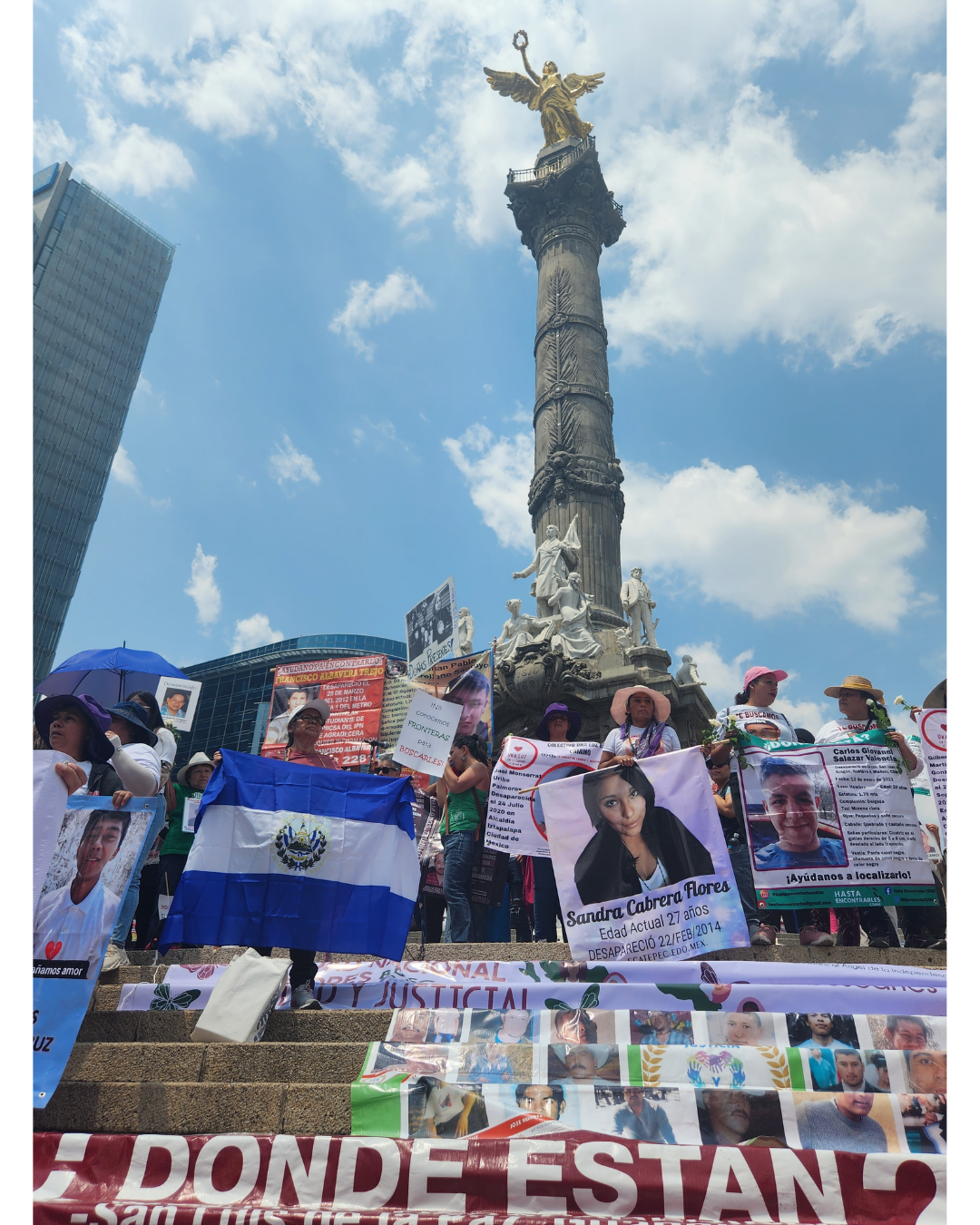
In Mexico, people often disappear twice, or even more. The lack of adequate records, capabilities, and often the will to ensure efficient investigations and searches are additional obstacles and attempts to sweep them under the rug.
If searching for a person is difficult for those living in Mexico, imagine if a loved one disappears in a distant country where you cannot go to look for them. Missing migrants are even more invisible among the invisible.
Faced with so many difficulties, committees of relatives of missing migrants and civil society organizations pushed for the creation of a mechanism that would allow families of missing migrants to file reports from their countries of origin.
This mechanism is known as the “MAEBI” (Mexican External Support Mechanism for Search and Investigation).
How Does It Work?
Through email or via Mexican embassies and consulates abroad, relatives and anyone with knowledge of the disappearance of a migrant in Mexican territory or a crime committed against them can report it to Mexican authorities.
Through MAEBI, families can also follow up on search and investigation actions, coordinate with authorities, and receive information.
There Is Still Work to Be Done
This sounds great on paper, and although MAEBI has already helped find and identify missing persons, there are still obstacles to overcome for investigations to be effective and for families to exercise their rights. The disappearance of migrants is a transnational problem that requires transnational responses, coordination, and cooperation between Mexico and the countries of origin.
What Can We Do?
The UN Committee on Enforced Disappearances (CED) has been clear: Mexico is failing its obligations by not preventing, investigating, or punishing these crimes.
Therefore, it presented Mexico’s situation to the United Nations General Assembly under Article 34 of the International Convention for the Protection of All Persons from Enforced Disappearance.
In its communication, the Committee offered international assistance to help Mexico address and resolve the crisis.

 Get Informed and Share: Use hashtags like #HastaEncontrarlos, #AWorldCupWithoutThem #StadiumOfTheDisappeared, or #CEDArticle34
Support Organizations: Fundación para la Justicia or Search Collectives that need resources and visibility.
COFAMIGUA
COFAMIPRO
COFAMICENH
AFAMIDEH
JUSTICIA Y ESPERANZA
COFAMIDEPE
AHCOFAMIDEAF
COFAMIDE EL SALVADOR
AFAMIDEG